In the darkroom. This engine is still being developed and tested; details can change.
WS-016 · FR 16 · Ad Factory
Product Feed Engine
A product feed in, an image per product per segment out.
A · Free · keyword PRODUCTFEED
The preset and the shotlist
The preset this engine reads and the shotlist template it fills. Enough to run one shoot by hand and see if it fits your brand.
Fig. 1 · The board
A Input slot
a product feed (CSV or shop export) + segments + one creative template
B Engine
- 01creative-os
- 02static-image
- 03brand-overlay
- 04static-ad-html
- 05vision-qc
route higgsfield · fallback gemini
C Contact sheet
a static per product per segment, named and sorted for the ad account
Data sheet
- Input
- a product feed (CSV or shop export) + segments + one creative template
- Output
- a static per product per segment, named and sorted for the ad account
- Models
- nano-banana-pro · gpt-image
- Route
- higgsfield (fallback gemini)
- Command
- /personalize
- Cost per run
- ~1 image generation per product per variant
- Maturity
- In build: not finished yet
Fig. 2 · Sample output
2 frames · real output from this engine
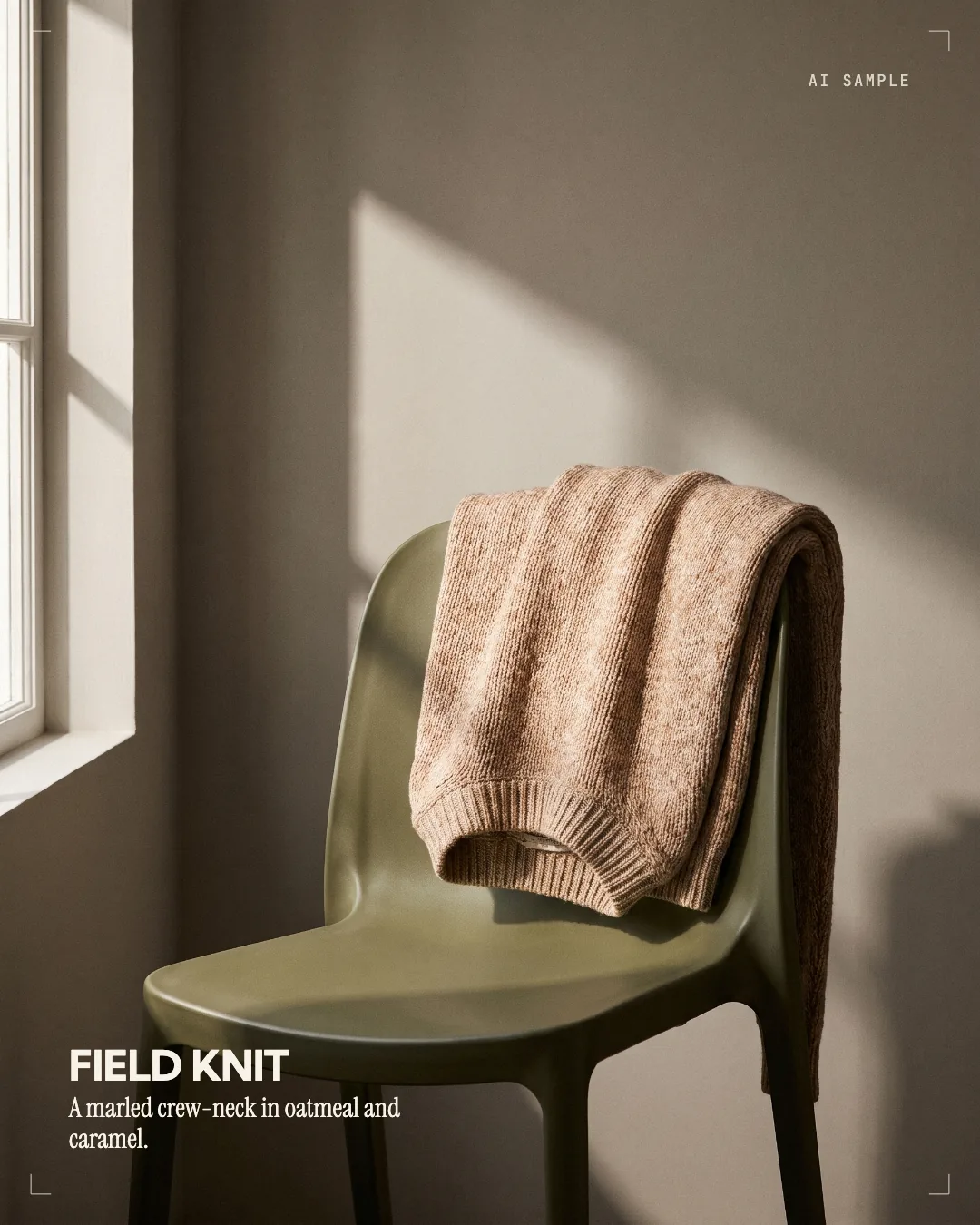
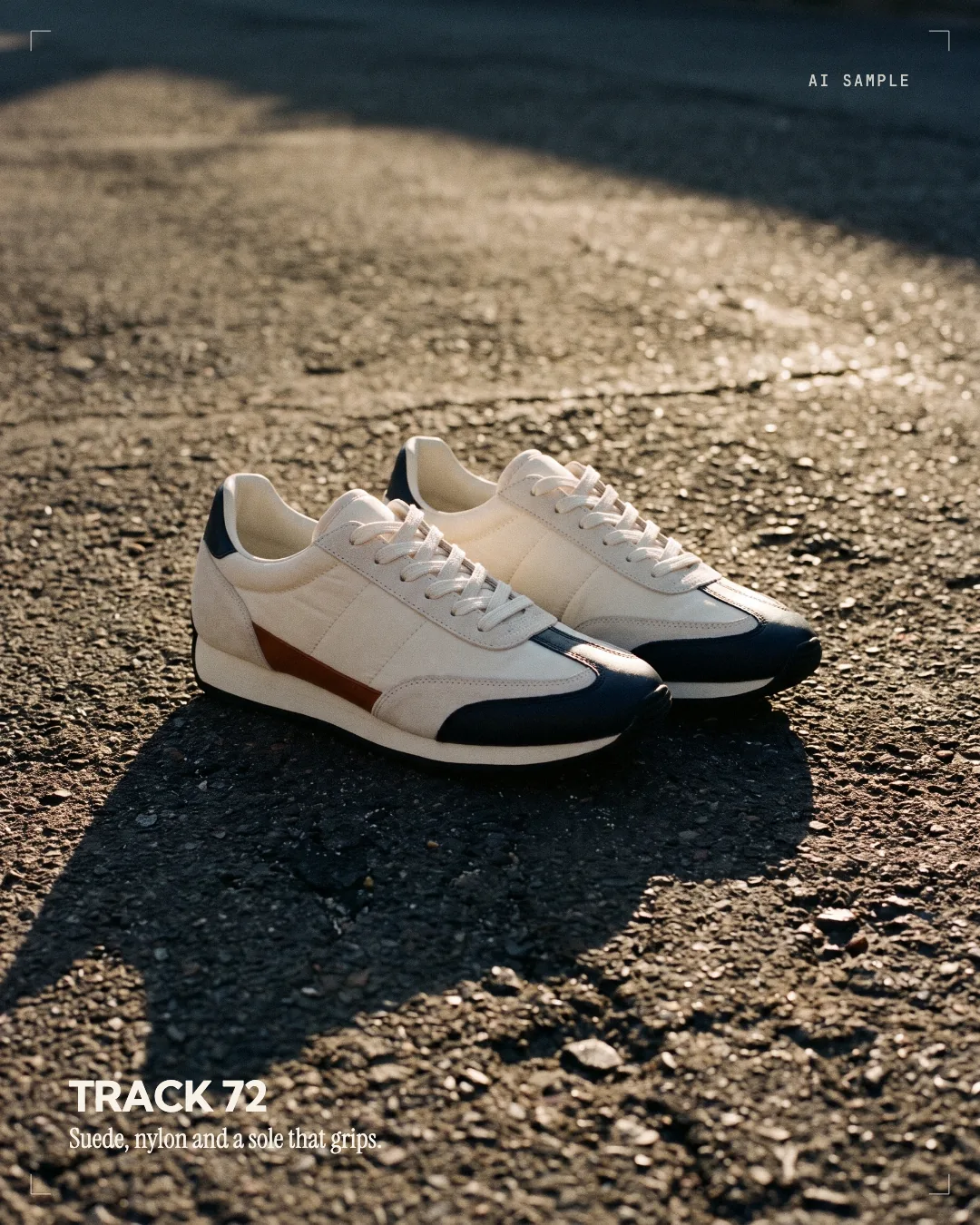
All images on this page are generated with this engine.
What it does
It reads the product feed and makes the same creative idea for every product, in the variant each audience segment should see. A catalog becomes an ad set without designing each image by hand.
What you see in the post
The board: a spreadsheet of products scrolls in the input slot. Row by row a print develops on the contact sheet beside it, so the sheet becomes a grid of products times segments.
How it runs
/personalize(planned) with mode feed.creative-osruns the plan;static-imagemakes the text-free image per product;brand-overlayorstatic-ad-htmladds copy and brand.vision-qcchecks product identity per row.
What you get (the giveaway)
- free: the feed template (columns the engine needs) + the segment sheet (
../weadapt-studios-products/product/studios/personalization-studio/free/) - studio: the Personalization Studio once packaged
Honest limits
In build: the ads pipeline exists; the feed-in, grid-out flow is not packaged as one command. Large feeds mean large costs; the dry-run line comes first.